Genius Weft vs. Hand-Tied vs. K-Tip: How to Choose in 2026
A 2026 decision guide comparing genius weft, hand-tied, and K-tip extensions by hair type, budget, placement, and maintenance.
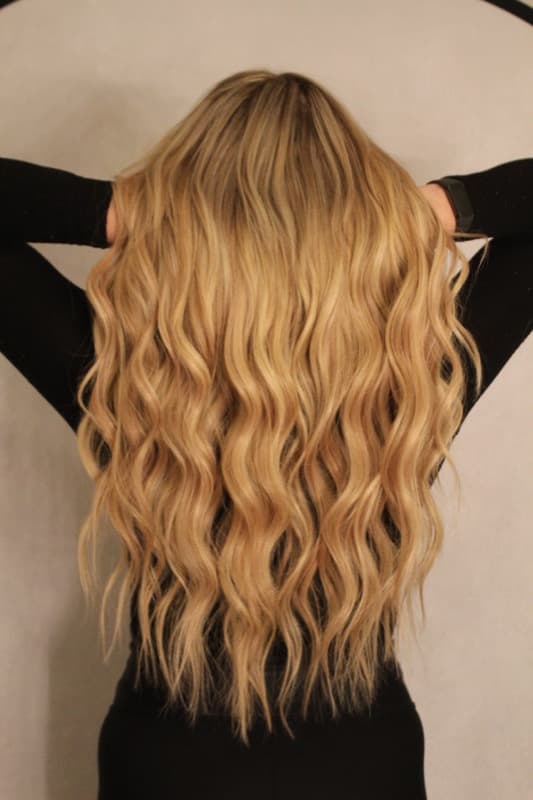
The 2026 Extension Choice
Genius weft, hand-tied, and K-tip extensions all have a place in luxury extension work. The best choice depends on how much hair you want to add, where you need the detail, how your natural density behaves, and how much maintenance you can realistically keep. A beautiful method on the wrong head of hair becomes a frustrating method.
Genius wefts are popular because the seam is thin and highly customizable. Hand-tied wefts are loved for softness and flexibility on beaded rows. K-tips are individual bonds that can add precise fullness without a row. Each method can look natural when the placement and color blend are right.
The consultation brings the decision into focus. Katie studies your natural hair, listens to your styling routine, and recommends the method that supports the result you want. The genius wefts guide gives a deeper weft comparison, and the Michigan cost guide explains how industry ranges are framed.
Method Comparison Table
| Category | Genius weft | Hand-tied weft | K-tip |
|---|---|---|---|
| Attachment | Usually installed on a beaded row | Installed on a beaded row | Keratin bond placed strand by strand |
| Best use | Custom row work with a thin seam | Soft, flexible row work | Detail around face, sides, or targeted fullness |
| Hair density fit | Fine to medium when coverage is strong | Fine to medium when row weight is conservative | Fine to medium detail areas, with strand count controlled |
| Maintenance | Often around 8-10 weeks when the plan supports it | Move-ups commonly every 6-9 weeks | Timing varies by bond plan and professional removal window |
| Cost tier | Premium | Premium | Premium because of strand-by-strand labor |
| Styling feel | Flat, customizable, polished | Soft, flexible, natural movement | Individual movement with no row foundation |
Which Fits Your Hair
Fine hair needs a conservative plan. Genius wefts may work when the row is thin and the hair can cover it. Hand-tied wefts may work when the weight is light and the placement is discreet. K-tips may be excellent for face-frame detail because the stylist can place small bonds where a row would feel too broad.
Thick hair needs enough density through the ends. A small amount of extension hair can disappear into thick natural hair and leave the finish looking narrow. Genius wefts or hand-tied rows may need enough hair to match the natural density. K-tips can add detail, but a full thick-hair transformation may require more time and a larger hair investment.
Hairline detail matters. If you wear your hair up often or have delicate areas around the face, K-tips may be part of the plan. If you want all-over fullness and soft length, a row method may be more efficient. If the desired result calls for both, Katie can discuss a blended approach during the consultation.
Budget matters because premium methods differ in labor and hair needs. Hand-tied and NBR-style installs often sit around $800-$2,500+ in Michigan industry ranges. K-tips can also sit in a premium range because each bond is placed individually. Xanadu quotes extension pricing during the complimentary consultation.
Maintenance And Lifestyle
Your calendar should influence your method. Row methods commonly need move-ups every 6-9 weeks, with some genius weft plans around 8-10 weeks when the hair supports that timing. K-tip maintenance and removal follow a different rhythm. If you travel often or struggle to keep appointments, be honest during the consultation.
Your styling routine matters as well. Daily workouts, high ponytails, frequent curling, winter hats, and long wash intervals all change how extensions wear. The right method should match the life you actually live. Luxury hair should feel manageable on a regular Tuesday.
Home care includes brushing, drying the root area thoroughly, using extension-safe products, and sleeping with the hair contained. Maintenance protects the natural hair and keeps the extension hair looking expensive.
Budget And Timing In Real Life
The best method also has to fit the season of life you are in. A client planning a wedding, heavy travel, workouts, and frequent photos may need a method that can be maintained predictably. A client who wants a subtle change before a new job may prefer a smaller amount of hair and a softer maintenance commitment.
Timing matters for color. If the natural hair needs blonding, glossing, or correction, the extension install may need to happen after the color plan is stable. This protects the extension hair and creates a cleaner blend. Rushing color and extensions into one crowded timeline can make the result harder to maintain.
Budget should include the first install and the rhythm after it. Hair, labor, color, move-ups, removal, and products all influence the true investment. A consultation gives you a clear plan before you commit, which is especially useful when comparing premium methods that all sound appealing online.
Hairline strength can be the deciding factor. A client may have enough density through the back for a weft, while the front needs K-tip detail or no added hair at all. The plan should protect the most delicate areas first.
Plan Your Complimentary Consultation
Bring your goal photos and your real routine to a complimentary consultation. Katie can compare genius weft, hand-tied, NBR (Natural Beaded Rows), and K-tip options against your density, color, and budget. For more context, read K-tips versus I-tips and 24-inch extension guidance before you choose.