The Ultimate Guide to NBR Extensions
A warm, practical guide to NBR extensions, from beaded-row installation to maintenance, comfort, and consultation planning.
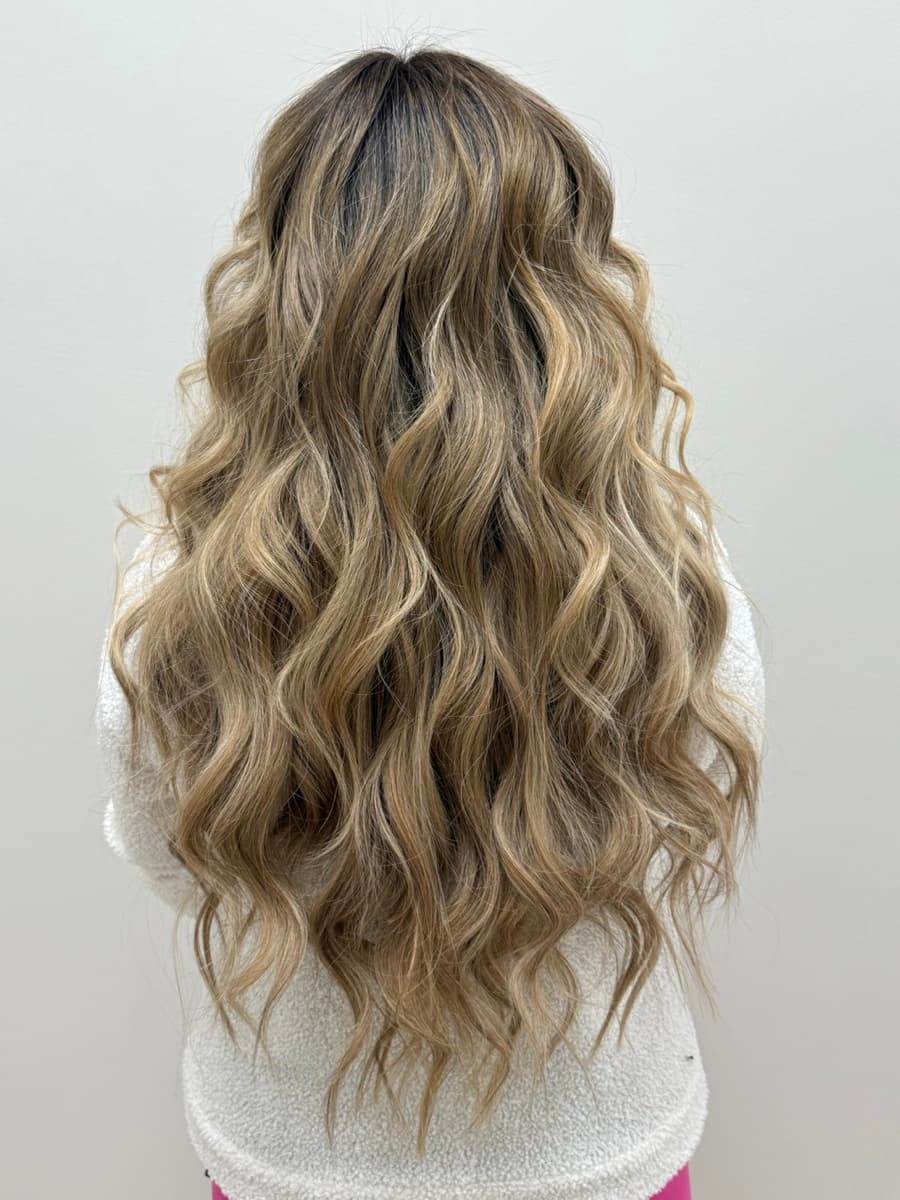
What NBR Is
NBR (Natural Beaded Rows) is a premium hand-tied extension method built around a discreet beaded foundation. The stylist creates a row with small beads, then secures wefts to that row so the added hair can move with the natural hair. The goal is a flat, flexible result that gives fullness, length, or both while respecting the density and strength of your own hair.
The method became popular because many clients wanted a luxurious extension result without a bulky braid foundation. A well-planned NBR install can sit close to the head, blend through the sides, and support everyday styling with a softer feel. The placement matters as much as the hair itself. Katie looks at head shape, natural density, hairline strength, color history, and the kind of styling you actually wear during the week.
NBR is often described as a row method, but the row is only one part of the service. A complete plan includes color matching, haircut blending, row placement, home care, and a maintenance rhythm. If you are still comparing methods, the services page is a helpful starting point, and the Michigan extension cost guide explains how investment ranges are usually framed in the broader market.
How Installation Works
A consultation comes first. Katie studies the natural hair in person because extension success depends on details that are difficult to judge from a single photo. Fine hair, dense hair, fragile ends, layered cuts, blonding history, and scalp sensitivity all change the plan. Extension quotes at Xanadu come from that consultation, because the healthy amount of hair and the best row count are personal.
During installation, the natural hair is sectioned cleanly and the row is mapped before any weft is placed. Small beads create the anchor points. The wefts are then attached to the row, with placement adjusted for comfort, blend, and the way the client wants to wear her hair. The finishing work includes cutting and styling so the extension hair reads as part of the haircut.
NBR can be used for one row of fullness, two rows for volume and length, or additional support when the natural density can carry it. The number of rows should never be chosen from a trend alone. A beautiful install feels secure, soft, and proportionate to the natural hair.
| Category | NBR (Natural Beaded Rows) | Traditional braided sew-in |
|---|---|---|
| Foundation | Beaded row with wefts secured to the row | Cornrowed braid base with wefts sewn onto the braid |
| Tension | Distributed through a mapped row when installed correctly | Can feel firm because the braid supports the weft |
| Best hair types | Fine to medium density when the hair can support a row | Often better for thicker or textured hair that can support braiding |
| Typical price range | Hand-tied and NBR installs often sit around $800-$2,500+ in Michigan industry ranges | Traditional braided sew-in weaves often sit around $100-$600 in many markets |
| Maintenance | Move-ups commonly every 6-9 weeks | Timing varies by braid foundation, growth, and salon plan |
Who It Suits
NBR can be a strong fit for clients who want length with a premium finish, clients who love soft volume through the sides, and clients who want hair that feels elegant in everyday life. It can also suit blonding clients who need dimension placed carefully through the extension hair so the finished look does not separate into obvious panels.
The method needs enough natural hair to cover the rows. Very fragile hairlines, active shedding, or scalp conditions may call for a different plan or a slower path. That is why the consultation matters. The safest answer is sometimes a smaller amount of hair first, a color correction before the install, or a maintenance schedule that protects the scalp and natural ends.
Clients who wear their hair up often ask about ponytails. NBR can be ponytail-friendly when the placement, density, and home styling habits support that goal. A low ponytail is usually easier than a high, tight style. High tension styles are not ideal for long-term extension wear, even with a gentle method.
Lifespan And Maintenance
Many row-based extension clients plan move-ups every 6-9 weeks. That window is important because the natural hair grows, the row moves away from the scalp, and the weight distribution changes. Wearing rows too long can create tangling, discomfort, or stress on the natural hair. Maintenance keeps the foundation clean and properly positioned.
Home care is straightforward but consistent. Brush from the ends upward, support the row with your hand while detangling, use extension-safe products, and sleep with the hair contained in a loose braid or silk accessory. Keep heavy oils away from the attachment area unless Katie gives you specific product guidance. Heat styling is possible with quality human hair, but heat protectant and moderate temperatures help preserve the hair.
The extension hair itself may be reused when the quality remains strong and the care has been consistent. Longevity depends on hair quality, product choices, styling habits, water exposure, and how faithfully maintenance is kept. A client who swims often, heat styles daily, or skips appointments will have a different experience from a client who follows a calmer routine.
Salon Planning Notes
The most successful NBR plans are measured, not rushed. If your natural hair is fine through the temples, Katie may keep the rows lower or lighter so the hairline stays soft. If your ends are dense but your crown is delicate, the row placement may be adjusted so the extensions support the style without creating pressure where the hair is most fragile. These small decisions are part of the luxury finish.
Photos help, but they do not replace an in-person evaluation. Bring images that show length, density, tone, and the way you like the hair to move. Also bring the practical details: how often you wash, how you sleep, whether you work out, how you wear hats, and how much time you want to spend styling. Extension planning becomes more accurate when the desired look and the real routine are both visible.
Color is often the quiet difference between a good install and a seamless one. NBR hair may need dimensional placement so the extensions echo the natural highs and lows of your blonding or brunette tone. A perfect row with a flat color match can still look separate. A thoughtful color plan helps the hair move as one shape.
The first few days are also part of the experience. New rows can feel present while you learn where they sit, but they should not create sharp pain. Gentle brushing, careful sleeping, and a calm wash routine help the hair settle. If something feels off, contact the salon early so the adjustment can be simple.
A maintenance appointment is also a styling checkpoint. Katie can see how the rows are wearing, how the extension hair is responding to products, and whether the next visit should adjust placement, gloss, or shape.
Plan Your Complimentary Consultation
The best NBR result begins with a personal plan. At your complimentary consultation, Katie can evaluate your density, color, lifestyle, desired length, and maintenance comfort before recommending row count, hair amount, and timing. You can start with the consultation page, then review hand-tied versus traditional weft extensions if you want a deeper method comparison before your visit.