24" Extensions: Achieving Dramatic Length Safely
A practical guide to 24-inch extensions, including density, row count, weight, maintenance, and when a softer length is wiser.
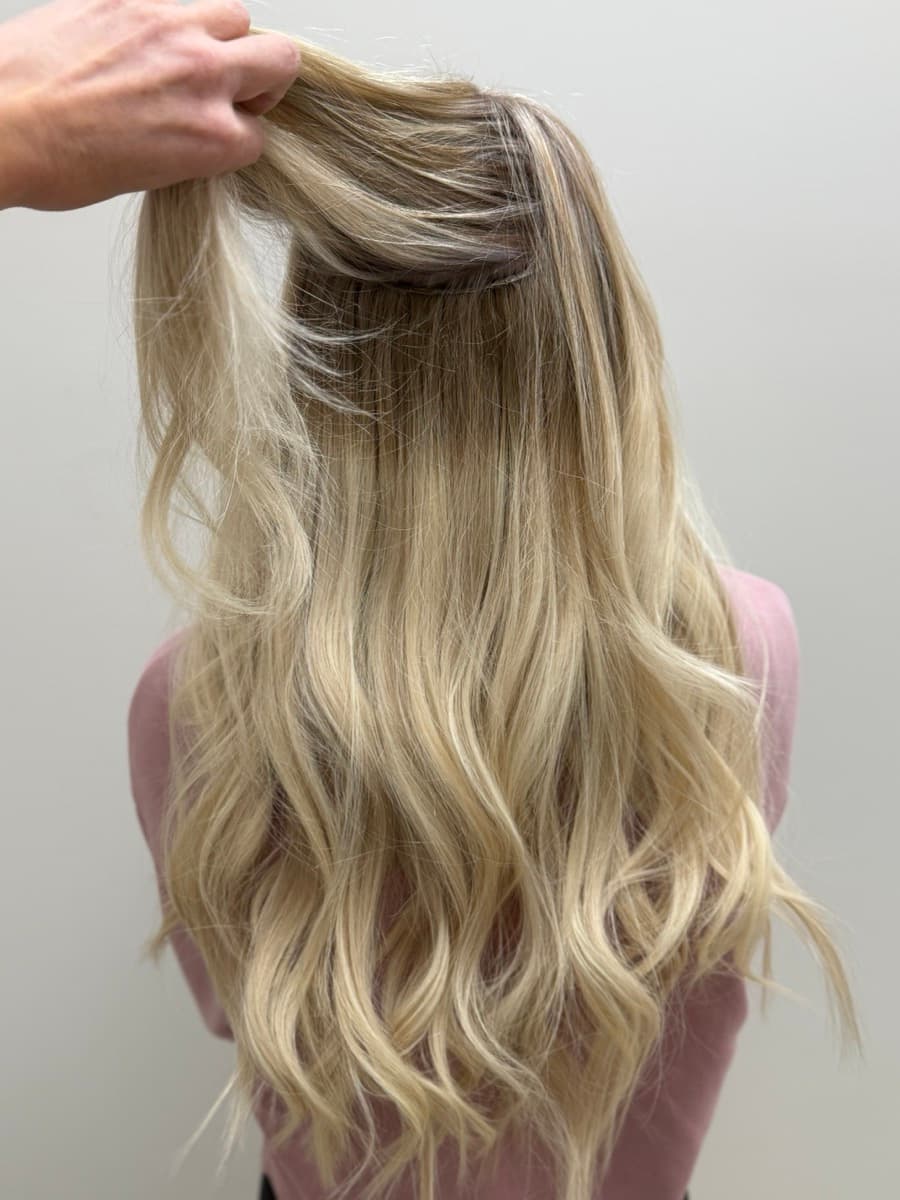
Why 24 Inches Needs A Plan
Twenty-four-inch extensions create a dramatic finish. They can bring soft waist-skimming length, a glamorous blowout shape, and a major transformation for clients who have been growing their hair for years. They also add real weight. The longer the hair, the more carefully the method, density, and maintenance schedule need to be chosen.
A healthy 24-inch plan starts with the natural hair. Fine hair may need a lighter result, medium hair may need strategic rows, and thick hair may need enough extension density to keep the ends from looking narrow. The goal is proportion. Long hair should look intentional from crown to ends, not heavy at the attachment and thin at the finish.
Color matching becomes more visible at this length. Any mismatch in tone, brightness, or dimension can show as the hair moves. Blonde clients may need extra attention because long blonde extensions reflect light differently through the mids and ends. If your 24-inch goal includes color work, review the services page before booking.
Weight And Length Guidance
The table below is general guidance, not a quote or prescription. Katie confirms row count and length during the complimentary consultation after seeing your density, scalp comfort, haircut, and hair history.
| Natural hair density | Recommended maximum length to discuss | Likely row count conversation | Why it matters |
|---|---|---|---|
| Fine | 18-22 inches for many clients, with 24 inches considered carefully | Often one to two rows if the hair can support them | Fine hair can show attachment points and feel weight sooner |
| Medium | 20-24 inches depending on ends and scalp comfort | Often two rows for balanced length and volume | Medium density may support drama with a measured plan |
| Thick | 22-24 inches or longer only with enough matching density | Often two or more rows when appropriate | Thick natural hair needs enough extension hair through the ends |
| Fragile or shedding | Shorter, lighter, or delayed plan | Conservative plan after consultation | Active fragility needs protection before length goals |
When 24 Inches Is The Wrong Call
A responsible stylist will say when 24 inches is too much for the current hair. If the natural hair is very fine, shedding, freshly corrected, or too short to blend, a softer length may look better and wear more comfortably. If the haircut has blunt, dense ends, the blend may need shaping before long extensions can look seamless.
Lifestyle can also change the recommendation. Long extensions require more brushing time, more drying time, more careful sleep habits, and more patience with coats, scarves, bags, and workouts. A client who wants a wash-and-go routine may be happier with a shorter, fuller result.
There is no status in choosing a length that your hair can support. A polished 20-inch result often looks more expensive than a 24-inch result that feels heavy or separates at the ends. Luxury hair is measured by movement, comfort, and believability.
Maintenance For Long Extensions
Long extension hair needs calm, consistent care. Brush before washing, shampoo at the scalp without rough circular tangling, condition the mids and ends, and dry the roots and attachment area thoroughly. Sleeping with long hair loose can lead to friction and knots, so a loose braid or silk accessory is useful.
Move-ups for row methods are commonly scheduled every 6-9 weeks. Long hair may make that timing feel even more important because extra length adds leverage as the row grows out. If the row starts to twist, sag, or tangle, schedule maintenance early.
Heat styling should be thoughtful. Use heat protectant, keep temperatures moderate, and avoid pressing hot tools against bonds or rows. Long hair can look beautiful with lower heat when the cut and extension quality are strong.
Cost And Consultation Planning
Longer hair generally costs more because premium human hair is priced by length and amount. The final investment also depends on rows, color work, method, and reuse. Michigan industry ranges for hand-tied and NBR-style installs often sit around $800-$2,500+ for premium work, with many first installs around $800-$1,800 in the broader market. Xanadu provides your extension quote during the consultation.
Payment planning can be part of the conversation. The pricing page and payment plans page can help you understand the broader service menu before your visit, but extension totals are personalized.
Salon Planning Notes
Twenty-four-inch hair changes proportions. Necklines, layers, face framing, and styling habits all become more visible because the hair takes up more space. Katie may recommend shaping around the face so the length feels soft, or she may suggest keeping the perimeter fuller so the ends do not look transparent.
The natural haircut matters. A blunt bob, a grown-out shag, and long layered hair all need different blending strategies. Some clients need a transition plan before dramatic length looks believable. That can mean color first, a smaller length increase first, or a shape adjustment before the extension install.
The daily routine should feel realistic. Long hair takes longer to wash, dry, detangle, and style. It can catch under purse straps, seat belts, winter coats, and scarves. If you love a polished routine, 24 inches can feel glamorous. If you want very low effort, a shorter length may give a better everyday experience.
Plan Your Complimentary Consultation
If 24 inches is your dream, bring the dream. A complimentary consultation gives Katie the chance to check your density, color, daily routine, and the safest path to length. Start at the consultation page, then compare NBR extensions and extension cost in Michigan so you arrive with clear questions.